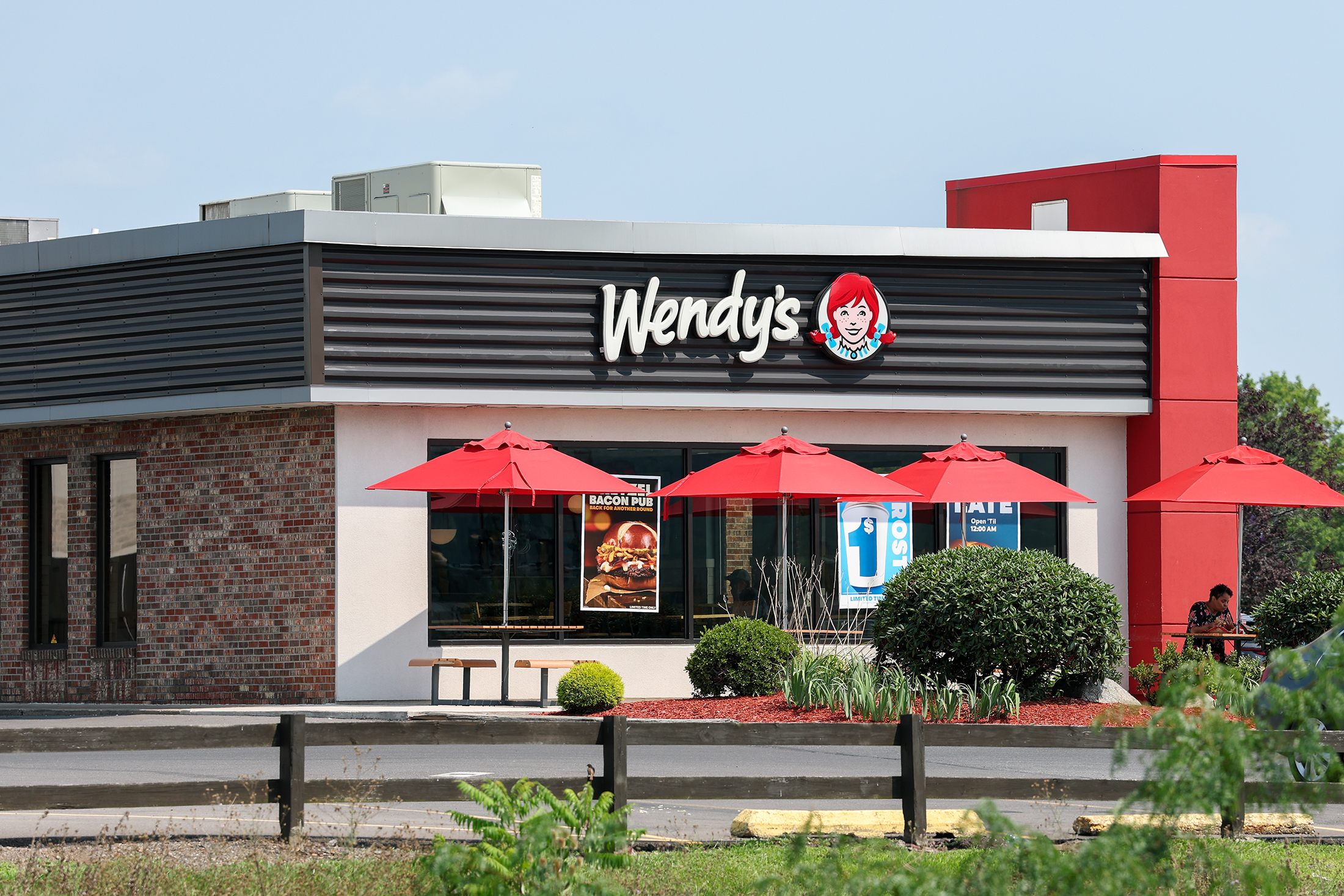
Wendy's Rejects $1.4B Buyout, deploys 'Poison Pill' to Fend Off Activist Investor
In a high-stakes corporate showdown, Wendy's has officially rejected a $1.4 billion buyout offer from activist investor Nelson Peltz. The fast-food chain stated the proposal "substantially undervalues" the company's true worth, signaling a firm stance against undervalued acquisition attempts.
The Poison Pill Strategy
To ward off unwanted takeover attempts, Wendy's activated a classic poison pill provision. This defensive mechanism allows existing shareholders to buy additional shares at a discount if any outside party crosses a certain ownership threshold. The result? It dramatically dilutes the acquirer's stake, making the takeover prohibitively expensive and effectively forcing a retreat or renegotiation.
Why This Matters
The rejection and subsequent deployment of the poison pill highlight a growing trend: large caps are fighting back against activist pressure. While activist investors like Peltz seek operational changes and value unlocking, companies are increasingly leveraging structural defenses to protect long-term strategy and shareholder value. This case serves as a bellwether for future corporate battles in the quick-service restaurant sector.
Key Takeaways
- Wendy's rejected a $1.4B offer, calling it undervalued.
- The poison pill is a proven shield against hostile takeovers.
- Activist investors will continue targeting giants, but corporate defenses are rising.
Freely curated and adapted from Entrepreneur (Business & Growth) coverage