Introduction
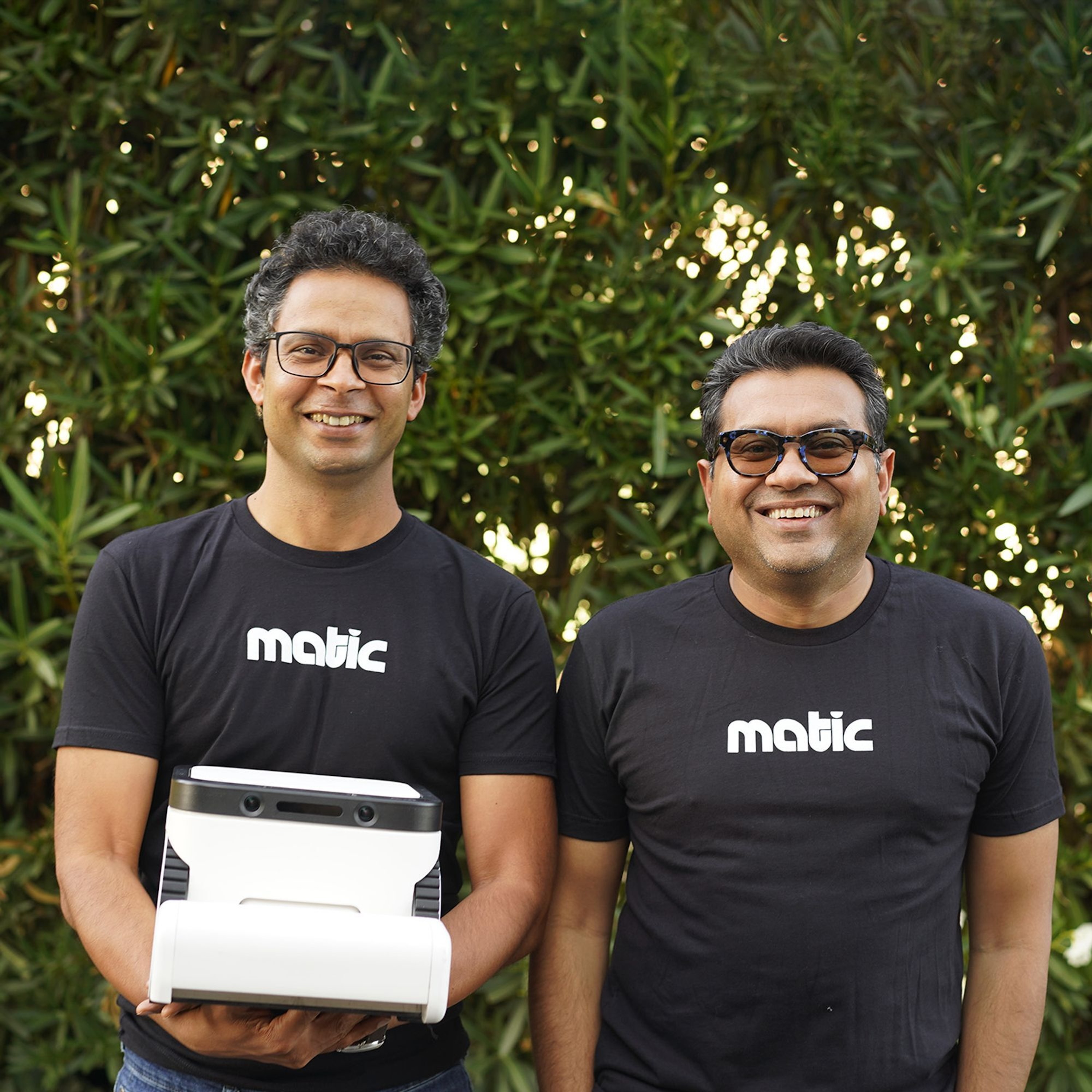
Leaving Google is a major career move, but for Mehul Nariyawala, it was the first step toward solving a personal frustration. The problem? Everyday household products that are 'really stupid'—clunky, inefficient, and far from smart. With a background in top-tier technology, Nariyawala founded Matic to bridge the gap between high-end tech and daily home living.
The Problem with 'Stupid' Home Products
Most of us deal with gadgets that promise convenience but deliver friction. Whether it's a robot vacuum that gets stuck or a smart device that doesn't integrate well, the experience is often more hassle than help. Nariyawala identified this gap and decided to build something different: a robot that actually adds value, not noise.
A 'Delightful' Solution
Matic's philosophy is simple: technology should be invisible, helpful, and intuitive. Their flagship robot is designed to learn from the home environment, adapt to user habits, and perform tasks without constant supervision. It's not about adding more features for the sake of it—it's about creating a seamless experience that feels 'delightful' from the first use.
Scaling to 30,000 Units
The goal is ambitious but grounded. By the end of the year, Matic aims to sell 30,000 robots. This target reflects both market demand and the company's ability to scale production, logistics, and support. With a lean team and a clear product-market fit, the trajectory looks promising for a startup that started in a garage and now counts millions in revenue.
Conclusion
Mehul Nariyawala's journey from Google to founding a $20M-revenue robotics company proves that the biggest opportunities often lie in the most overlooked problems. As smart home adoption grows, Matic's approach—focused on usability, design, and real utility—could become the new standard for household robotics. For investors and tech enthusiasts alike, this is a name to watch.
Freely curated and adapted from Entrepreneur (Business & Growth) coverage