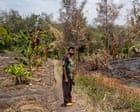
El Niño Crisis in Papua New Guinea: 8 Million at Risk as Farms Fail and Rivers Run Dry
An unprecedented El Niño event is wreaking havoc across Papua New Guinea, where drought conditions have pushed the nation to the brink of a humanitarian emergency. With as many as 8 million people affected, the crisis extends far beyond failed crops. Rivers have dried up, electricity blackouts are routine, and health clinics are shutting their doors due to lack of power and water.
The Human and Economic Toll
- Food Security: Failed harvests have left communities facing severe food shortages, with remote areas hit hardest.
- Energy Crisis: Hydroelectric power generation has plummeted, leading to widespread blackouts that disrupt daily life and business operations.
- Health and Education: Closure of medical facilities and schools has exacerbated vulnerabilities, particularly for children and the elderly.
A Nation in Name Only?
A coalition of churches, trade unions, and business groups has declared the situation a "national crisis," yet there is growing concern over the absence of a coordinated national plan to protect vulnerable populations. The lack of strategic intervention raises questions about long-term resilience against climate extremes.
Key Takeaway
The Papua New Guinea drought crisis underscores the urgent need for climate-adaptive infrastructure and coordinated emergency planning to mitigate the worsening impacts of El Niño and future climate shocks.
Freely curated and adapted from The Guardian World coverage