Ebola Outbreak in Africa: A Global Health Security Imperative Lessons from the Covid Era
By Cloudverra Tech & Business Desk | Published: December 2, 2024 | Estimated Reading Time: 7 minutes
Introduction: When History Rhymes
The latest warnings from Jean Kaseya, Director General of the Africa Centres for Disease Control and Prevention (Africa CDC), have sent ripples through global health circles. Describing the current Ebola outbreak as "unprecedented," Kaseya draws a stark parallel between the current crisis and the Covid-19 pandemic that reshaped the world just a few years ago. With over 10,000 cases and nearly 5,000 deaths already reported, the outbreak is no longer a regional concern—it is a test of global preparedness, supply chain resilience, and the robustness of health security infrastructure.
In this deep-dive analysis, we explore the technical, operational, and business dimensions of the Ebola crisis, extracting actionable lessons for tech innovators, investors, and policymakers alike.
The Virology and Epidemiology of the Current Outbreak
Ebola Virus Disease (EVD) is a severe, often fatal illness caused by Ebola virus strains belonging to the Filoviridae family. Unlike respiratory viruses like SARS-CoV-2, Ebola spreads through direct contact with bodily fluids, making transmission dynamics fundamentally different. However, the current outbreak's scale—exceeding 10,000 cases—signals a departure from previous, more contained incidents.
Key Epidemiological Red Flags
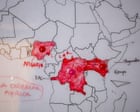
- Geographic Spread: Historically, Ebola outbreaks were confined to specific forested regions in Central and West Africa. The current wave has demonstrated unexpected mobility, crossing traditional boundaries and raising alarms about urban transmission.
- Case Fatality Rate (CFR): While still significant, the CFR has fluctuated depending on strain and healthcare access, averaging between 40-65% in this outbreak.
- Silent Transmission: Asymptomatic or mildly symptomatic carriers, combined with porous border regions, have enabled undetected spread, much like the early phases of the Covid-19 pandemic.
Funding Gaps: The Critical Weakness
Jean Kaseya’s warning—that the outbreak could spread globally without increased funding—underscores a harsh reality: preparedness is underfunded, and response is reactive. The Africa CDC has repeatedly highlighted a financing gap of over $500 million for surveillance, vaccine deployment, and treatment center establishment.
Why Funding Matters Now More Than Ever
- Vaccine Manufacturing Scale: While the Ervebo vaccine has shown efficacy, manufacturing capacity remains limited. Increased funding would accelerate technology transfer to African facilities, reducing dependency on Western supply chains.
- Real-Time Genomic Surveillance: Funding enables the deployment of portable sequencers (e.g., Oxford Nanopore devices) in hot zones, allowing scientists to track mutations in real time—a lesson learned from the Ct value tracking during Covid.
- Health Workforce Training: Beyond equipment, sustained funding supports community health workers who serve as the first line of detection and education.
Tech & Business Implications: Lessons from the Pandemic Playbook
The Ebola outbreak is not just a health story; it is a case study in risk management, investment strategy, and technological adaptation. Here’s how the tech and business sectors can respond.
1. Supply Chain Resilience & Localization
The pandemic exposed the fragility of global supply chains, from PPE to ventilators. Similarly, reliance on a few manufacturers for Ebola vaccines and therapeutics creates a single point of failure. Tech companies and investors should prioritize: - Decentralized Manufacturing: Investing in mRNA vaccine platforms or viral vector production facilities within Africa. - Blockchain for Traceability: Using distributed ledger technology to track vaccine batches, ensure authenticity, and streamline distribution in conflict-affected or poorly documented regions. - AI-Driven Predictive Modeling: Machine learning models that integrate travel data, climate patterns, and health infrastructure scores can forecast outbreak hotspots days in advance, enabling preemptive resource allocation.
2. Investment Opportunities in Global Health Tech
For venture capital and private equity, the Ebola crisis signals a maturation of the global health tech sector. Promising niches include: - Point-of-Care Diagnostics: Rapid, solar-powered test kits that require minimal training. - Digital Contact Tracing: Privacy-preserving frameworks using zero-knowledge proofs to track exposure without compromising civil liberties. - Telemedicine for Rural Areas: Expanding broadband and satellite internet to connect isolated patients with specialist physicians in real time.
3. Corporate ESG and Risk Mitigation
Multinational corporations operating in or trading with affected regions must reevaluate their ESG (Environmental, Social, Governance) risk profiles. An outbreak of this scale can disrupt labor forces, increase insurance premiums, and trigger regulatory scrutiny. Proactive steps include: - Securing comprehensive business interruption insurance that covers pandemic-related losses. - Implementing employee health monitoring systems with ethical data governance. - Diversifying operational regions to mitigate concentration risk.
The Geopolitical Dimension: From Local Outbreak to Global Threat
Kaseya’s comparison to Covid is not hyperbole. The interconnectedness of modern travel means that a virus incubating in a remote African village can appear in a London clinic within 24 hours. The UK Health Security Agency (UKHSA) has already activated contingency protocols, including enhanced airport screening and rapid genomic testing for inbound travelers.
However, the real lesson is structural. During Covid, wealthier nations hoarded vaccines and therapeutics, leaving low-income regions vulnerable and accelerating global spread. To avoid a repeat, the international community must support the Africa CDC’s Partnerships for Preparedness initiative, which aims to establish regional manufacturing hubs, shared surveillance networks, and equitable therapeutic distribution frameworks.
Actionable Takeaways for Tech Leaders
If you’re leading a tech organization, now is the time to translate awareness into strategic action. Consider the following roadmap:
- Audit Your Supply Chain: Map all critical dependencies related to health, safety, and operations in affected regions. Identify single points of failure and develop contingency plans.
- Pilot a Predictive Analytics Project: Partner with a university or data science team to build a model that integrates real-time health alerts, travel patterns, and climate data specific to your operational footprint.
- Allocate ESG Capital: Reserve a portion of your sustainability budget for impact investments in global health infrastructure—both for moral imperative and risk mitigation.
- Advocate for Policy Change: Use your platform to support legislation that funds global health security, enables tech transfer, and standardizes pandemic preparedness metrics.
Conclusion: Building a Resilient Future
The Ebola outbreak in Africa is a wake-up call that the world cannot afford to ignore. It merges the virological challenges of a high-mortality virus with the systemic vulnerabilities exposed by the Covid-19 pandemic. The cost of prevention—funding surveillance, scaling local manufacturing, and deploying intelligent tech—is infinitesimal compared to the economic and human toll of an unchecked global spread.
As we move further into 2024 and beyond, the convergence of technology, business strategy, and global health security will define our collective resilience. The question is not if another viral threat will emerge, but how prepared we are to meet it with innovation, equity, and speed.
---
Meta Description (for SEO): The Ebola outbreak in Africa has reached over 10,000 cases and nearly 5,000 deaths, with Africa CDC warning it could spread globally like Covid. This deep-dive explores funding gaps, tech solutions, business risk, and actionable strategies for tech leaders and investors.
Focus Keyword: Ebola outbreak Africa 2024
Reading Time: 7 minutes